Lunaris / A UE built
for exploration.
A UE built
for exploration.
Control the experiment from radio time to protocol state. Lunaris combines a native C++20 stack, configurable interfaces and diagnostic tools that help explain an outcome.
RELEASE 17 BASELINE / FR1 PAIRED FDD / TERRESTRIAL + NTN
Architecture
An integrated path
from waveform to traffic.
The same research stack connects physical channels, access procedures, bearers and IP sessions. NTN assistance feeds timing and frequency control, while diagnostics expose the intermediate state needed to investigate a failure.
Observe what matters
See the state.
Find the boundary.
The live terminal UE dashboard and receive-cell-search panel expose synchronization, tracking, NAS and IP state. Engineers can inspect PCI, SFN/slot, quality, CFO/timing, PBCH SNR, CRC/MCS/EVM, traffic counts and NTN assistance age/validity, predicted Doppler, timing advance and uplink gating.
A sampled constellation view is bounded to 512 points at 4 Hz. Unknown values are shown as unavailable and stale values are identified after two seconds. These are engineering observations, not calibrated performance measurements.
LUNARIS / LIVE STATE CONCEPT
RADIO PCI — SFN.slot — RX/TX —
TRACKING CFO — TIMING — SNR —
DECODE CRC — MCS — EVM —
ACCESS RRC — NAS — IP —
NTN ASSISTANCE AGE — VALIDITY —
UPLINK DOPPLER — TA — GATE —
From symptom to cause
Diagnostics with context.
PROTOCOL
Follow the procedure.
Structured UTC logs carry component, severity and actual SFN/slot context. Observe grants, CRC outcomes, HARQ, timers, state transitions and recovery decisions.
SIGNAL
Inspect bounded samples.
Capture and replay IQ with metadata. Bounded vector/hex diagnostics, decoding events and profiling help identify the first divergent processing stage.
EXPERIMENT
Correlate independent evidence.
Peer access/capture/traffic runners and fault/HARQ controls align UE, gNB/core and packet observations. Preserve provenance rather than relying on one success counter.
Layered YAML/CLI configuration is validated before use. Timed, continuous and receive-only modes, replay end-of-file handling, graceful stopping and bounded capture retention support repeatable lab operation. The ASN.1 UPER toolchain and a local Release 17 specification/reference workflow support mechanism-level engineering.
Choose the right experiment path
Software links, SDR,
and receive-side hardware.
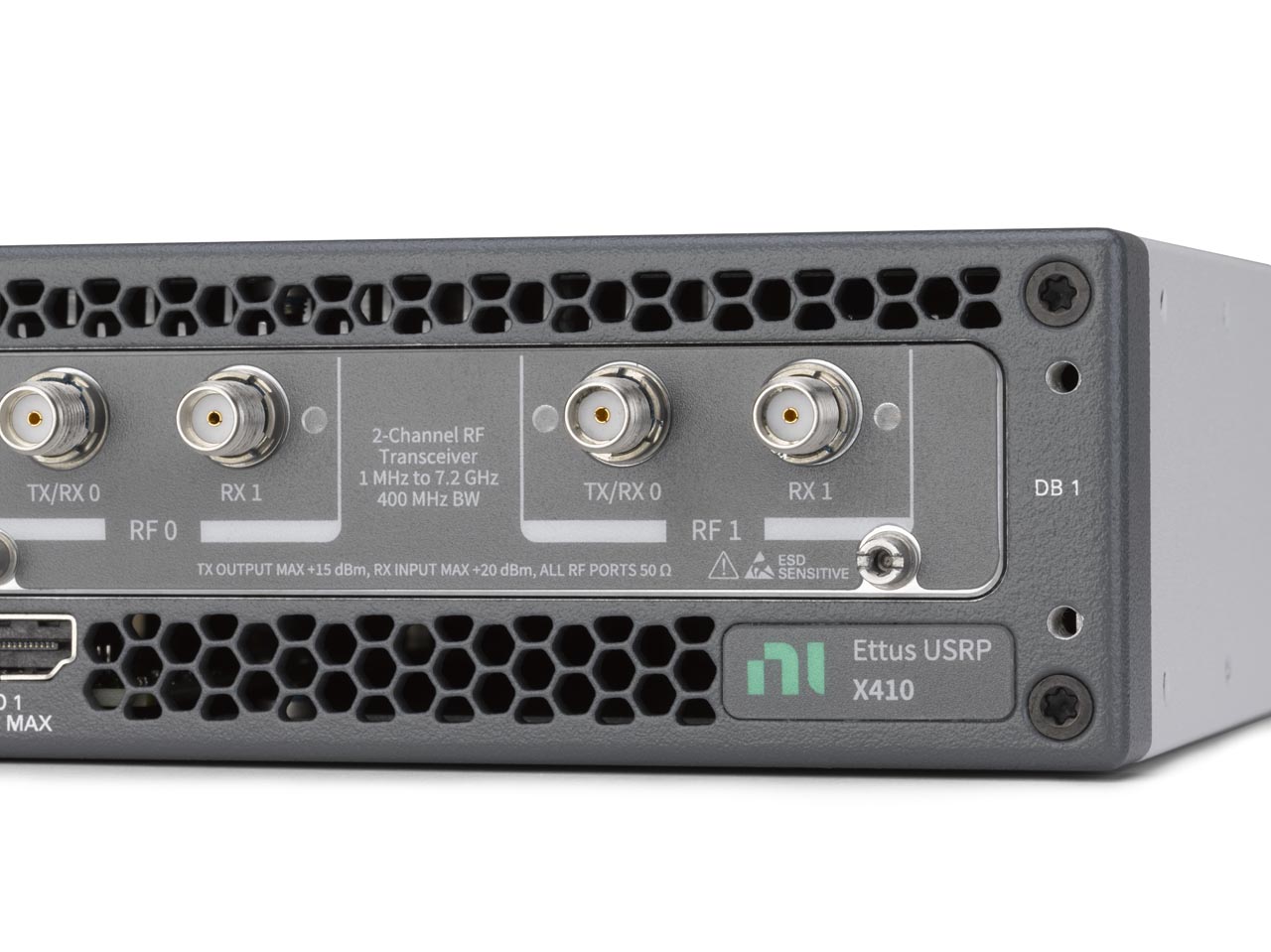
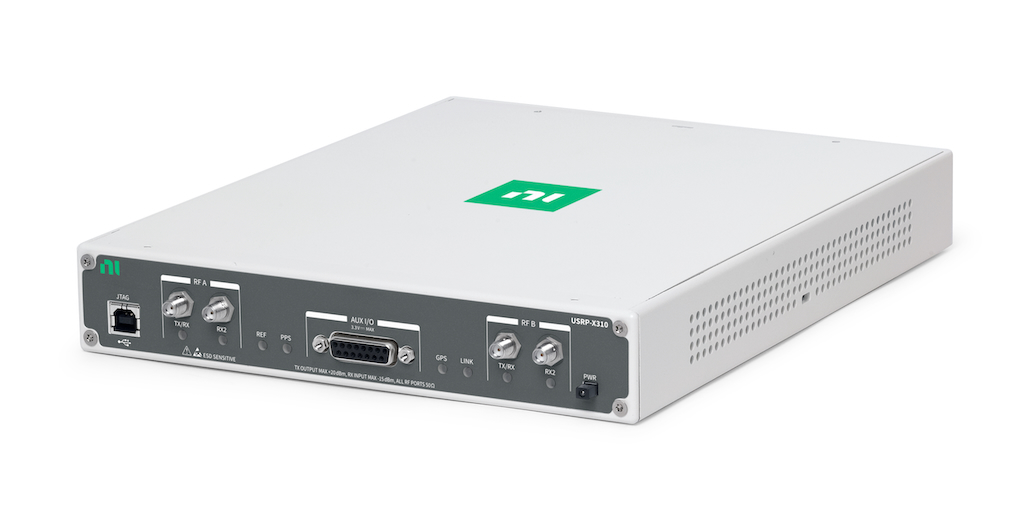
UHD / RF
Timestamped experiments.
Receive samples and schedule uplink bursts using native radio rates. Radio/clock profiles and calibrated transmit scaling must be appropriate to the agreed setup.
ZMQ / IQ
Controlled and repeatable.
Exercise bidirectional FC32 links, receive-only streams, impairments and recordings before moving a profile to physical hardware.
ZCU670 / RX
A receive-side integration path.
61.44 Msps ADC DMA, optional FPGA CFO correction and loopback tools. Further bidirectional integration can be scoped as funded development.
The wider research environment
A place to turn an idea
into a campaign.
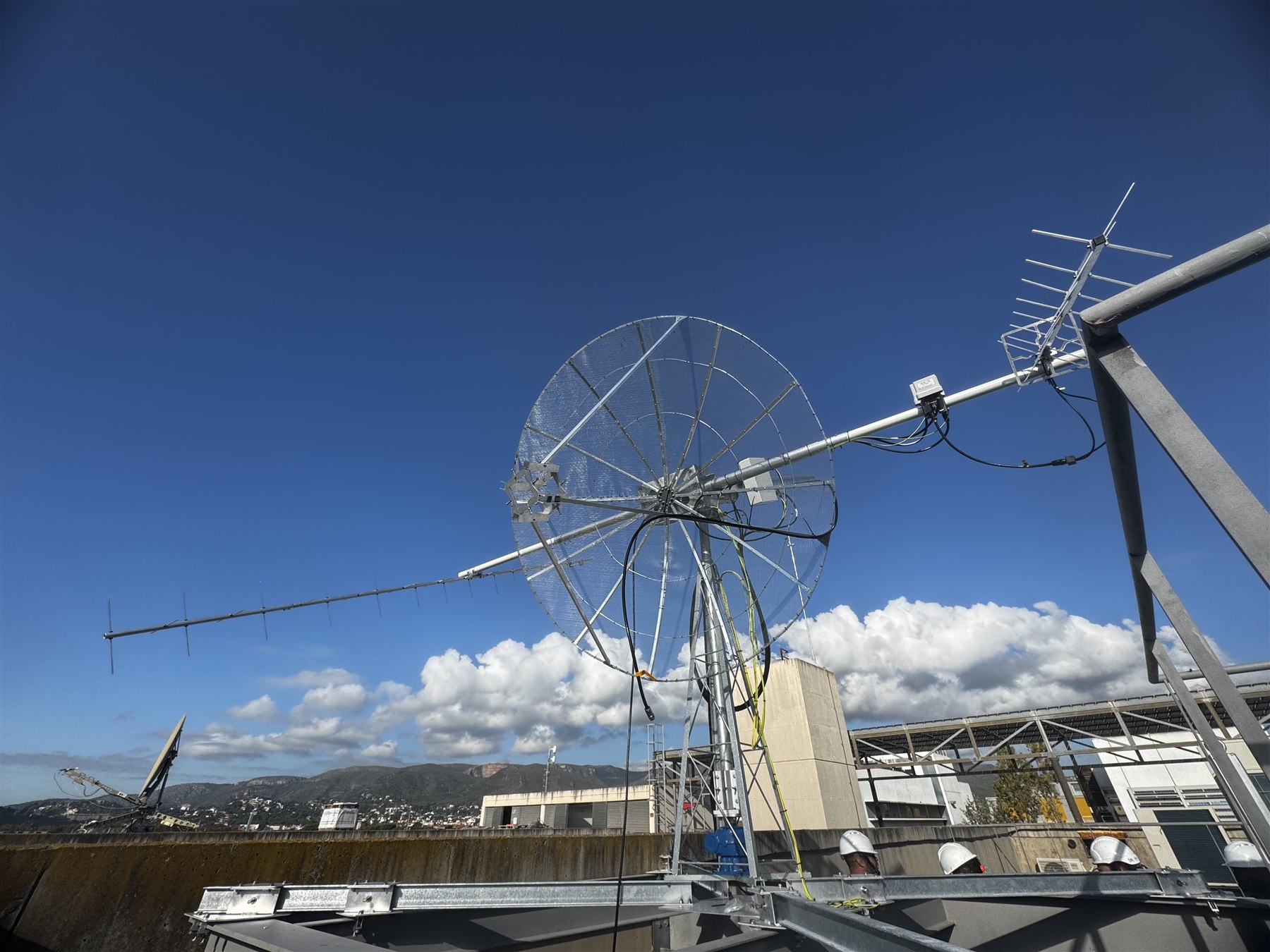
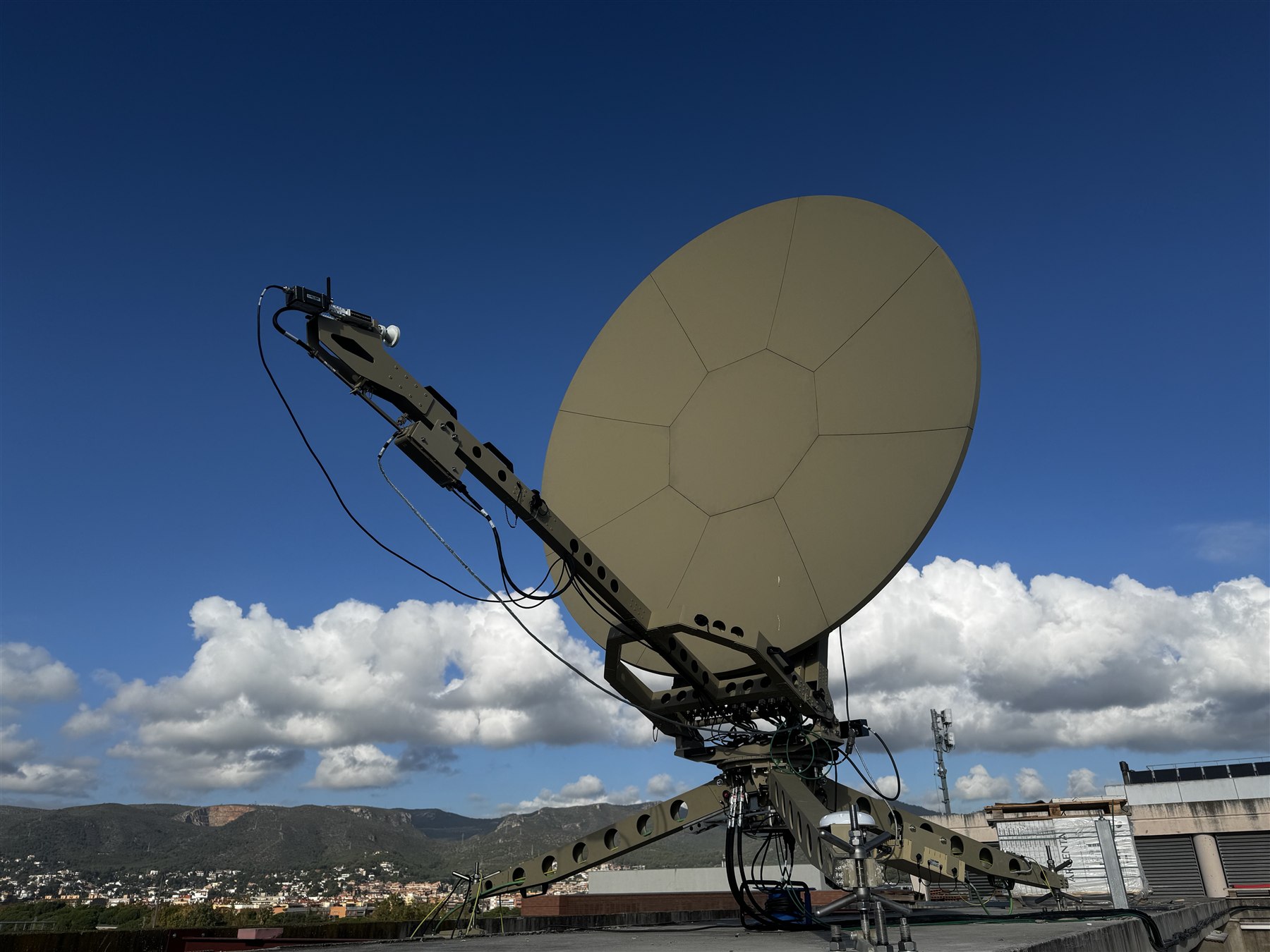
CASTLE and SpaceLab provide the wider setting for collaboration: SDRs, processing servers, GPU compute, satellite antennas, a co-located teleport and a Keysight PropSim FS16 channel emulator with satellite/aerospace capabilities. A Lunaris campaign can be scoped around available resources; this page does not claim that every facility asset has already been validated with Lunaris.
Discover SpaceLab ↗ Discover CASTLE ↗Your objective, a bounded plan
Take the next step.
Bring a target network profile, research question or integration challenge. We can turn it into a proposed work package with measurable acceptance criteria and evidence you can review.
Discuss a paid collaboration ↗